
NASA scopes out Idaho beavers
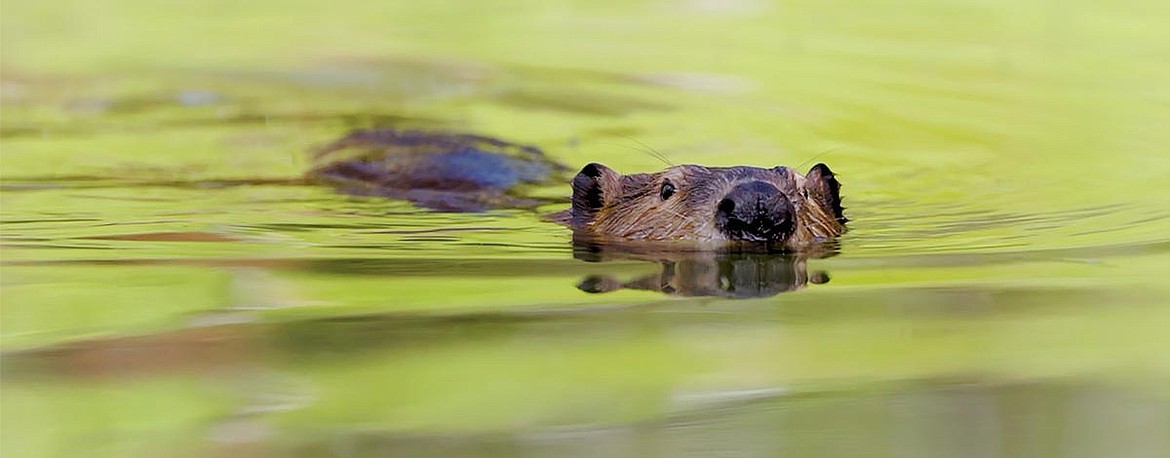
Beavers affect water flow to plants and vegetation.
Photo courtesy of the Idaho Department of Fish and Game
Idaho Fish and Game, in collaboration with NASA, Boise State University and Utah State University, are once again looking to the skies as they study beaver behavior and ecological conservation.
This time, however, they're leaving the parachutes at the office.
The NASA-supported effort is taking place in Idaho, utilizing digital technology to predict which streams can support beavers and how water and vegetation change once they return. The current project runs through 2025 and focuses on areas in Southeast Idaho, where beavers are being reintroduced.
Fish and Game Furbearer Staff Biologist Cory Mosby has been one of the leading helping hands in the project and said the technology will help the department survey miles of waterways with more efficacy. The department's goal is to retain water and increase vegetation along the watersheds so beavers and other wildlife and livestock will have more abundant food sources.
Spring runoff, when the snow melts, can be the saving grace for both agricultural and wildlands. Without any natural barriers to help retain some of that water, the season's snowmelt is free to flow in rivers to the ocean.
Enter the beaver
In places where beavers build dams across streams and creeks, their work naturally disperses and retains water longer, thus supporting vegetation and creating better habitats for aquatic species and land animals alike.
By utilizing NASA's remote sensing data, Mosby and other biologists can investigate which waterways need to be restored as well as monitor their progress after those restoration projects have been instituted.
Beaver rewilding impacts measured by NASA
Check out a cool video at youtu.be/RAHvrLNe5K4, produced by NASA, that illustrates the collaborative project taking place right here.
• • •
Connor Liess is a public information specialist with the Idaho Department of Fish and Game.