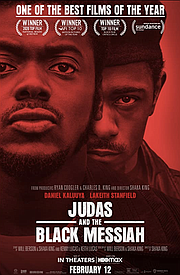
CV. Kaluuya and Stanfield dominate the urgent ‘Judas and the Black Messiah’
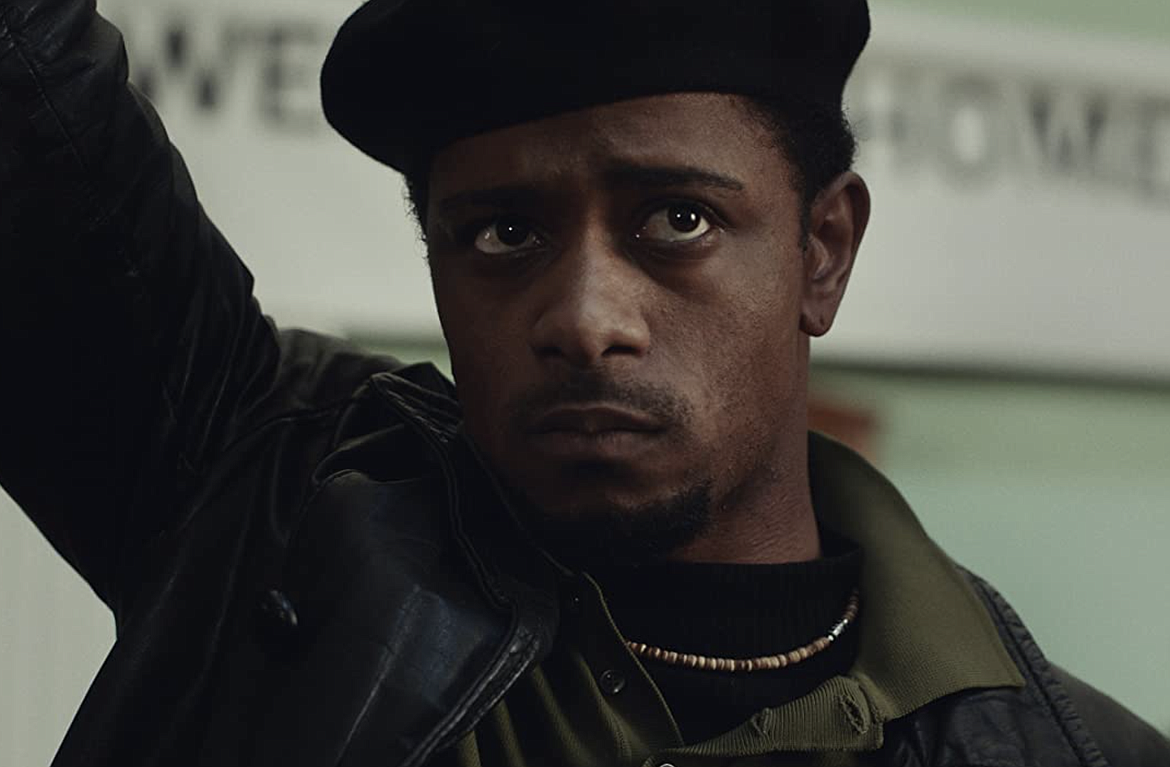
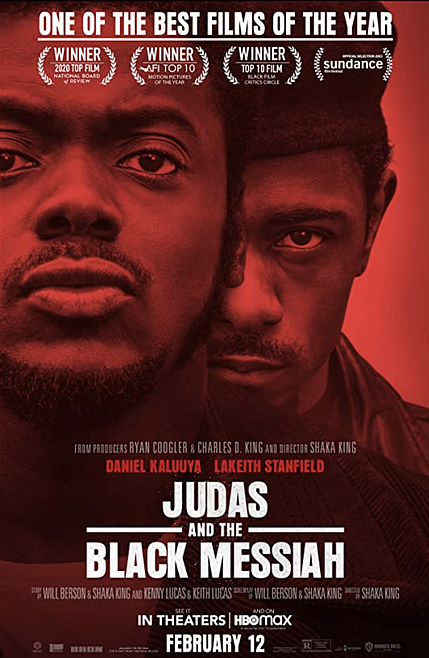
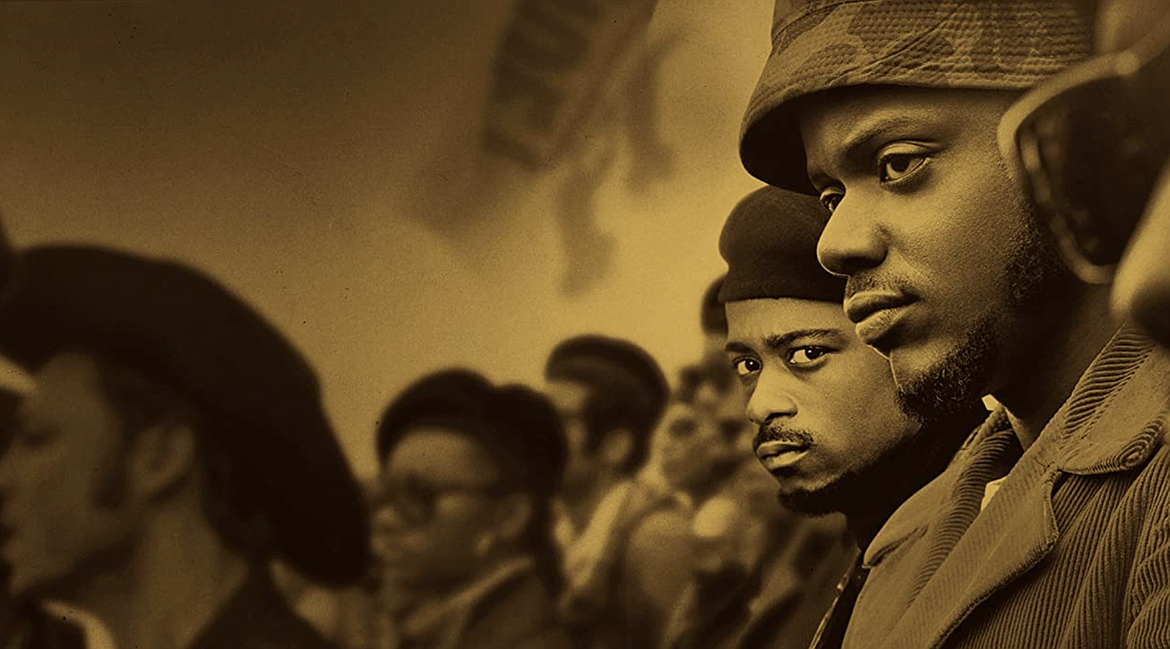
A depth of perspective fuels writer/director Shaka King’s “Judas and the Black Messiah,” the engrossing biopic of Fred Hampton, the Illinois chairman of the Black Panther party in the 1960s.
“Get Out” star Daniel Kaluuya portrays Hampton as a man of both compassionate resolve and incendiary charisma, and the film’s most bombastic scenes capture Hampton’s powerful (and controversial) gifts as an orator and activist.
In contrast to Hampton’s rhapsodic speeches, the film also explores his budding relationship with a more soft spoken young activist named Deborah (Dominique Fishback in an soulful breakout performance).
A third perspective, that of a young Panther named Bill O’Neal, adds key urgency to “Judas and the Black Messiah.” O’Neal, as played by “Sorry to Bother You” star Lakeith Stanfield, is introduced as a brazen and naive young man who steals cars with a scheme that involves posing as an FBI agent. The ruse attracts the attention of a real agent (Jesse Plemons, excellent as usual) who then forces O’Neal into infiltrating Hampton’s chapter of the Black Panthers.
While Kaluuya is getting much-deserved awards attention, the success of the film’s narrative rests almost entirely on Stanfield’s performance as a man pulled in opposing ideological directions. Though O’Neal initially admires the easy, middle class lifestyle of his FBI handler, he begins to relate to Hampton and the Black Panthers broader community intentions. As a character, O’Neal rarely vocalizes his conflicted feelings; nevertheless Stanfield conveys that struggle in some remarkable, nonverbal ways. You can see his emotions waver significantly even in small flutters of physical action.
The film doesn’t shy from the violent conflicts that took place between the Chicago police, the FBI and the Panthers, and it’s that nuance of political perspective that adds authenticity to “Judas and the Black Messiah.” The final act, orchestrated from the top by FBI director J. Edgar Hoover (Martin Sheen in a few memorable scenes), lands with a powerful dramatic punch, even as the two central players, Hampton and O’Neal, share only a few words at the film’s boiling point.
While the real life details spark intrigue, “Judas and the Black Messiah” largely succeeds as historical drama because of King’s focus on the narrative conflict between the two central characters, even despite their conspicuous lack of shared screen time. A lesser screenplay would put the two men in more direct conflict. It’s much more compelling to see O’Neal as someone mostly in step with Hampton’s worldview but still forced to act as an opposing force.
“Judas and the Black Messiah” is streaming on HBO Max, and screening locally at the Hayden Cinema.
• • •
Tyler Wilson has been writing about movies for Inland Northwest publications since 2000. He is the co-host of Old Millennials Remember Movies, available everywhere you find podcasts. He can be reached at [email protected]