GALLERY: Fish Sampling in Chain Lakes
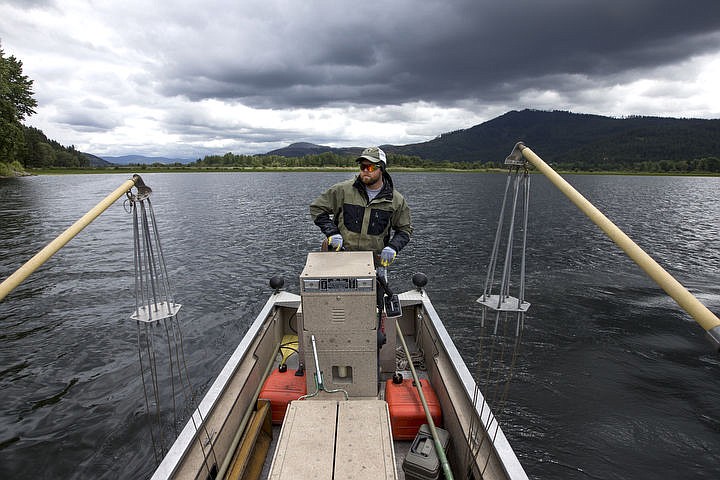
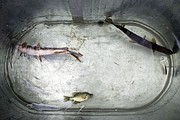
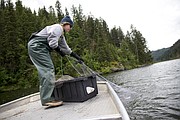
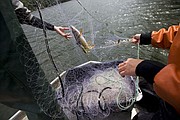
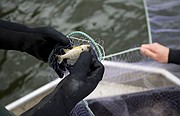
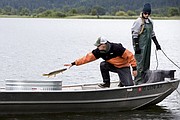
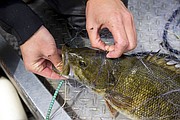
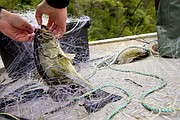
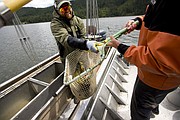
<p>The Idaho Department of Fish and Game is working with the Coeur d'Alene Tribe and the Idaho Department of Environmental Quality in a sampling of different species of fish from the Chain Lakes. The groups are conducting research to determine the ecology of the lakes, as well as test for lead, zinc and cadmium levels in the fishes' tissue. The IDFG uses gill nets to capture larger species of fish, as well as bottom-feeding fish, and use electrofishing to gather smaller fish that are found in shallower waters. To purchase photo, please visit www.cdapress.com/photos</p>
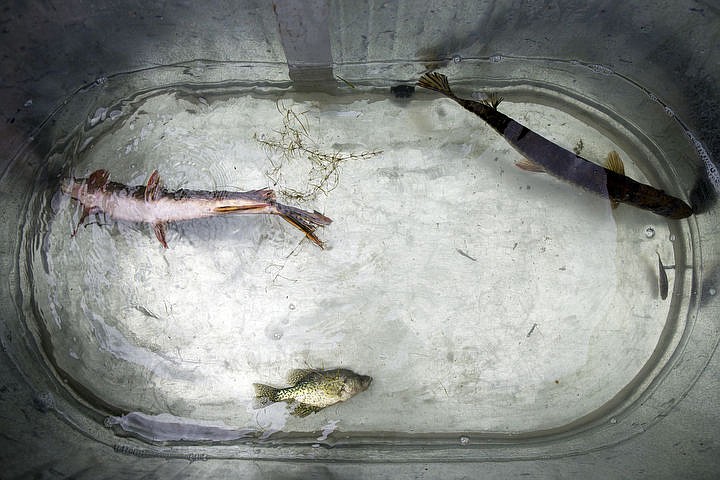
<p>The Idaho Department of Fish and Game is working with the Coeur d'Alene Tribe and the Idaho Department of Environmental Quality in a sampling of different species of fish from the Chain Lakes. The groups are conducting research to determine the ecology of the lakes, as well as test for lead, zinc and cadmium levels in the fishes' tissue. The IDFG uses gill nets to capture larger species of fish, as well as bottom-feeding fish, and use electrofishing to gather smaller fish that are found in shallower waters. To purchase photo, please visit www.cdapress.com/photos</p>
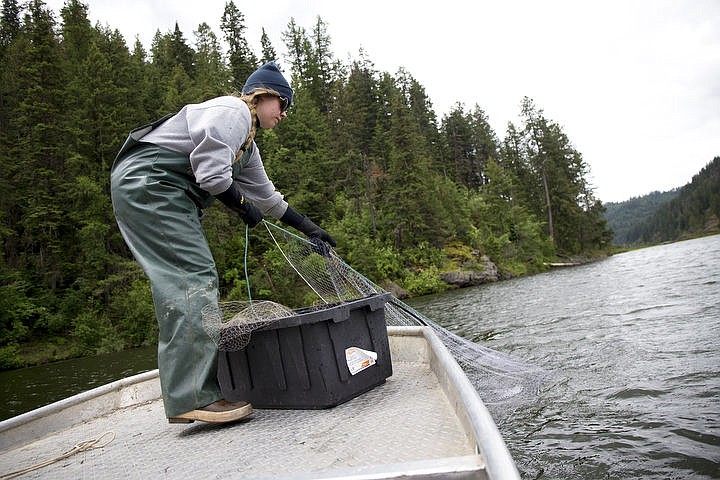
<p>The Idaho Department of Fish and Game is working with the Coeur d'Alene Tribe and the Idaho Department of Environmental Quality in a sampling of different species of fish from the Chain Lakes. The groups are conducting research to determine the ecology of the lakes, as well as test for lead, zinc and cadmium levels in the fishes' tissue. The IDFG uses gill nets to capture larger species of fish, as well as bottom-feeding fish, and use electrofishing to gather smaller fish that are found in shallower waters. To purchase photo, please visit www.cdapress.com/photos</p>
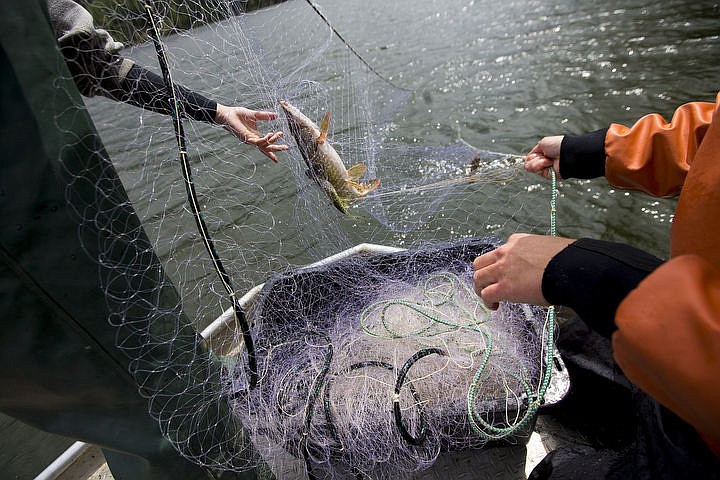
<p>The Idaho Department of Fish and Game is working with the Coeur d'Alene Tribe and the Idaho Department of Environmental Quality in a sampling of different species of fish from the Chain Lakes. The groups are conducting research to determine the ecology of the lakes, as well as test for lead, zinc and cadmium levels in the fishes' tissue. The IDFG uses gill nets to capture larger species of fish, as well as bottom-feeding fish, and use electrofishing to gather smaller fish that are found in shallower waters. To purchase photo, please visit www.cdapress.com/photos</p>
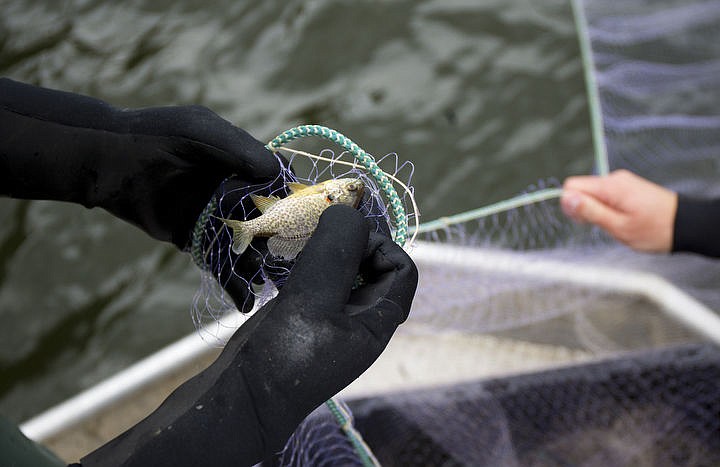
<p>The Idaho Department of Fish and Game is working with the Coeur d'Alene Tribe and the Idaho Department of Environmental Quality in a sampling of different species of fish from the Chain Lakes. The groups are conducting research to determine the ecology of the lakes, as well as test for lead, zinc and cadmium levels in the fishes' tissue. The IDFG uses gill nets to capture larger species of fish, as well as bottom-feeding fish, and use electrofishing to gather smaller fish that are found in shallower waters. To purchase photo, please visit www.cdapress.com/photos</p>
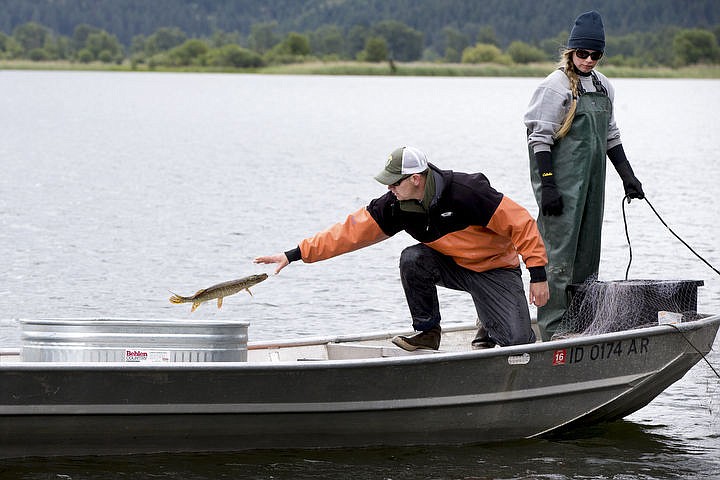
<p>The Idaho Department of Fish and Game is working with the Coeur d'Alene Tribe and the Idaho Department of Environmental Quality in a sampling of different species of fish from the Chain Lakes. The groups are conducting research to determine the ecology of the lakes, as well as test for lead, zinc and cadmium levels in the fishes' tissue. The IDFG uses gill nets to capture larger species of fish, as well as bottom-feeding fish, and use electrofishing to gather smaller fish that are found in shallower waters. To purchase photo, please visit www.cdapress.com/photos</p>
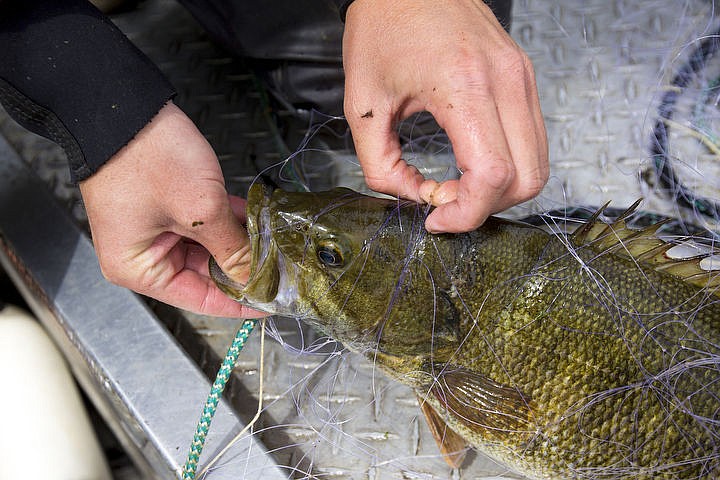
<p>The Idaho Department of Fish and Game is working with the Coeur d'Alene Tribe and the Idaho Department of Environmental Quality in a sampling of different species of fish from the Chain Lakes. The groups are conducting research to determine the ecology of the lakes, as well as test for lead, zinc and cadmium levels in the fishes' tissue. The IDFG uses gill nets to capture larger species of fish, as well as bottom-feeding fish, and use electrofishing to gather smaller fish that are found in shallower waters. To purchase photo, please visit www.cdapress.com/photos</p>
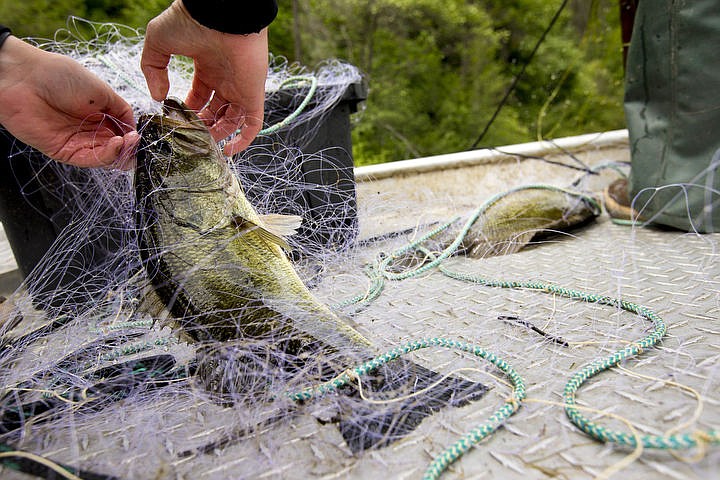
<p>The Idaho Department of Fish and Game is working with the Coeur d'Alene Tribe and the Idaho Department of Environmental Quality in a sampling of different species of fish from the Chain Lakes. The groups are conducting research to determine the ecology of the lakes, as well as test for lead, zinc and cadmium levels in the fishes' tissue. The IDFG uses gill nets to capture larger species of fish, as well as bottom-feeding fish, and use electrofishing to gather smaller fish that are found in shallower waters. To purchase photo, please visit www.cdapress.com/photos</p>
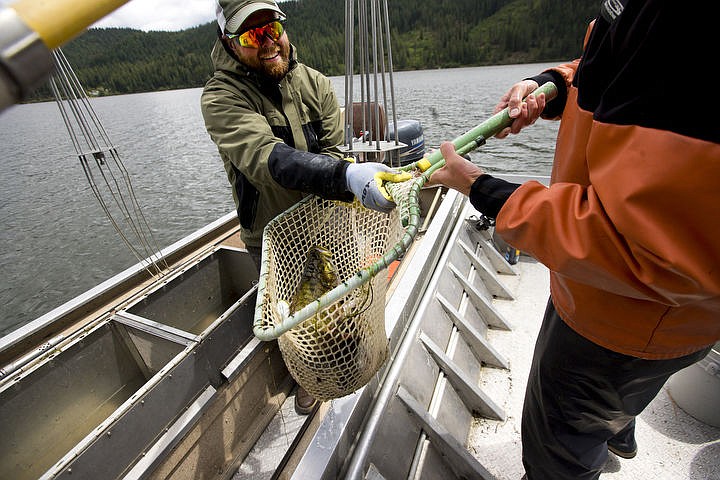
<p>The Idaho Department of Fish and Game is working with the Coeur d'Alene Tribe and the Idaho Department of Environmental Quality in a sampling of different species of fish from the Chain Lakes. The groups are conducting research to determine the ecology of the lakes, as well as test for lead, zinc and cadmium levels in the fishes' tissue. The IDFG uses gill nets to capture larger species of fish, as well as bottom-feeding fish, and use electrofishing to gather smaller fish that are found in shallower waters. To purchase photo, please visit www.cdapress.com/photos</p>
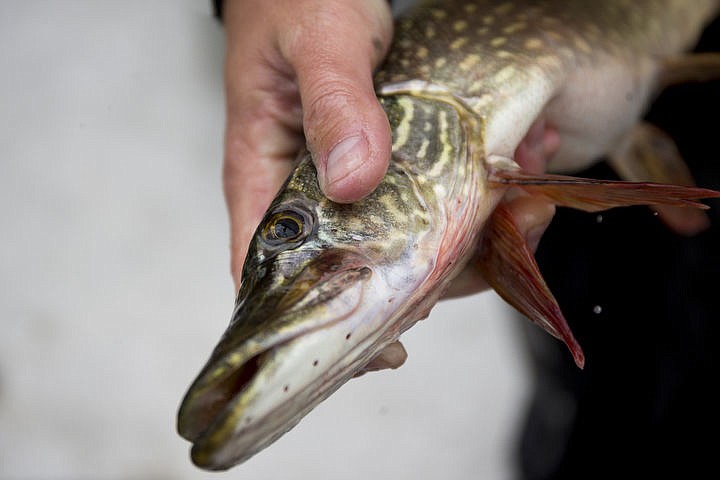
<p>The Idaho Department of Fish and Game is working with the Coeur d'Alene Tribe and the Idaho Department of Environmental Quality in a sampling of different species of fish from the Chain Lakes. The groups are conducting research to determine the ecology of the lakes, as well as test for lead, zinc and cadmium levels in the fishes' tissue. The IDFG uses gill nets to capture larger species of fish, as well as bottom-feeding fish, and use electrofishing to gather smaller fish that are found in shallower waters. To purchase photo, please visit www.cdapress.com/photos</p>
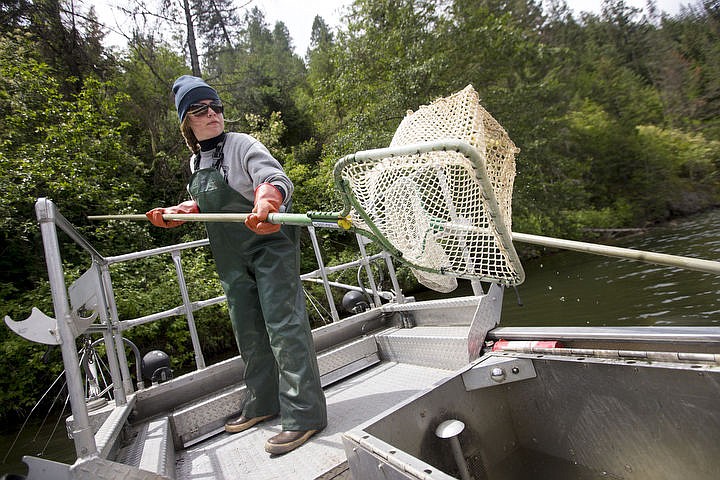
<p>The Idaho Department of Fish and Game is working with the Coeur d'Alene Tribe and the Idaho Department of Environmental Quality in a sampling of different species of fish from the Chain Lakes. The groups are conducting research to determine the ecology of the lakes, as well as test for lead, zinc and cadmium levels in the fishes' tissue. The IDFG uses gill nets to capture larger species of fish, as well as bottom-feeding fish, and use electrofishing to gather smaller fish that are found in shallower waters. To purchase photo, please visit www.cdapress.com/photos</p>