
Boise's love affair with cycling has its roots in racing
BOISE (AP) — In the 1970s, recreational biking was somewhat scarce, until the 10-speed appeared in the middle of the decade. The 10-speed was the catalyst that helped Boise start becoming more bike friendly, but bicycle sales didn't really take off until the early '80s. And even then, no one went riding in the mountains.
It wasn't until 1986, when the mountain bike appeared, that the game really started to change. Between that and the early bike races hosted in Boise, cycling found its place in the Treasure Valley. The first race that came here was 1984's Ore-Ida Women's Challenge, which ended up running for 19 years and became the largest women's race in the world. Then in '86, the National Cycling Championships came, bringing 1,500 of the country's best cyclists for several days of competition. That event was wildly successful and First Security Bank (now Wells Fargo) said it wanted to sponsor more.
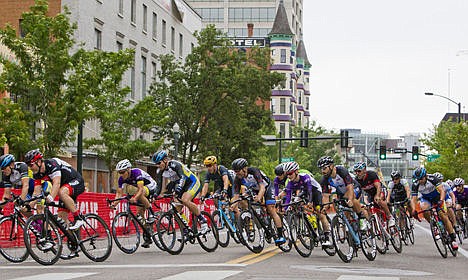
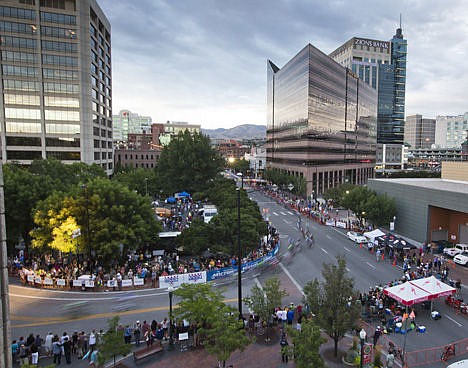
That's when we had the idea to host the Twilight Criterium, which is now in its 29th year. We planned the event downtown on a summer night at 10, and around 2,500 spectators - many who came out of bars - watched 30 amateur athletes compete under Christmas tree lights borrowed from Morrison-Knudsen (the same lights the company used on the exterior of its building during the holidays). The Criterium went so well that First Security ended up sponsoring it for 23 more years.
Over the years, the Criterium has become ingrained in Boise's identity. Today the race draws more than 15,000 spectators each year and has helped more and more Boiseans get interested in cycling. Other events have helped, too - the Bogus Basin Hill Climb (now in its 43rd year) and the Tour de Fat, which popped up earlier this decade. Boise's Tour de Fat is the biggest in the country, with more than 9,000 riders. Thanks to these cycling activities, and the public's growing interest in physical fitness, Boise is now a hotbed for cycling and racing.
And why wouldn't it be? The Treasure Valley is an ideal area for cyclists. You can leave work and be on a trail in 20 minutes. We have many great trails that are maintained in fall and winter and shaded in summer for year-round cycling.
As Boise's cycling culture has grown, so has the Criterium. It's one of the biggest spectator events on the Criterium circuit. In 2013, Boise was in danger of losing the race after our main title sponsor went in a different direction. Fortunately, Andersen Banducci, a local litigation firm, stepped in as the new title sponsor. Andersen Banducci felt the Criterium was vital to Boise's cycling culture and wanted to keep the tradition alive. They have made a long-term commitment as race sponsor, and we appreciate their support.
Without Boise's big bike events and the introduction of the mountain bike in the '80s, we probably wouldn't have the Ridge to Rivers trail system we currently enjoy, or the plethora of bike lanes and cycling clubs that dot the Treasure Valley.
I love Boise and our bike culture. We've experienced an insane amount of growth over such a short period of time. If that's any indication of where things are headed, well, I'm just happy to be along for the ride.
Mike Cooley is co-owner of George's Cycles in Boise.